

Sometimes, the marketing for a certain game does not start from the moment of revealing the first trailer, but way before that, when they choose the title of their game. It creates mystery and intrigue, especially if It’s a new IP, and encourage players to think and reflect on the title, before and after the journey, not to mention, it leaves a long lasting impression because of how distinctive and creative video game titles can be.
In this article, we look back on five video game titles that’s invited us to think (and do some googling) to figure out if anyone on this wide earth really knows what the words on the cover mean. At one instance, it might be a long set of numbers, or it might have some codes or cultural implications in different situations. Nevertheless, It’s very fun to figure out, and that’s what the spirit of gaming is all about.
HtoL#NiQ
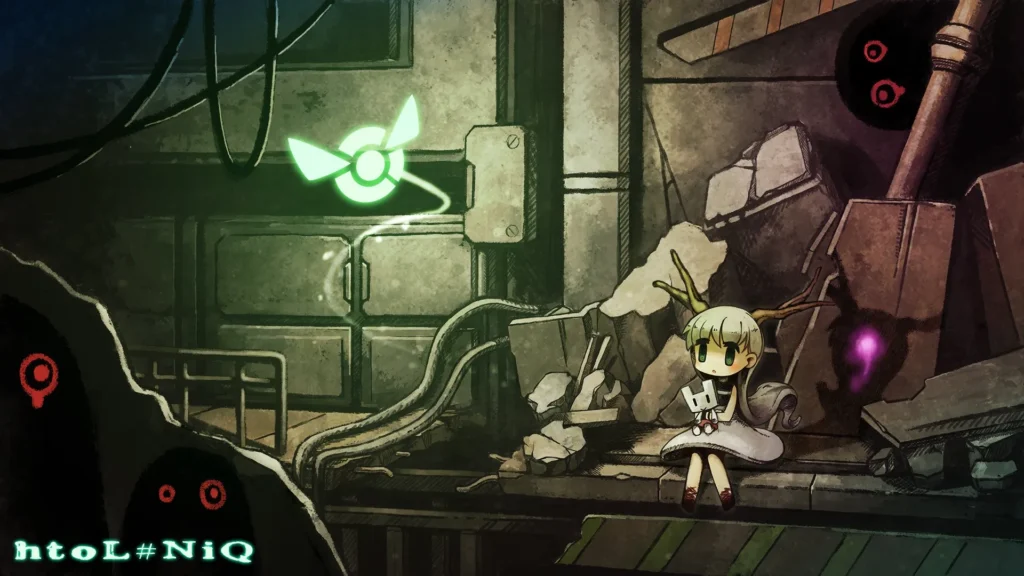
HtoL#NiQ is a stylized version of the Japanese name of the game: Hotaru no Nikki, or more specifically how it’s written in Japanese syllables: (ホタルノニッキ, lit. “Firefly’s Diary”). Not only does these shapes have phonetic counterparts, but they actually have distinct shapes that can be memorized and symbolized into English letters and symbols just like the ones found in the title name.
Firefly’s Diary is also a title with a bit of weight behind it, as the game revolves around traversing two worlds through the eyes of a small girl named Mion. The world of Light and the world of Shadow, and the only guide on her journey is a shadow firefly, that is able to control the Mion’s environment when the things gets dark, and interact with objects of interest in a very creative approach depending on the amount of illumination on screen. In a way, the firefly is writing the diary of the girl’s journey.
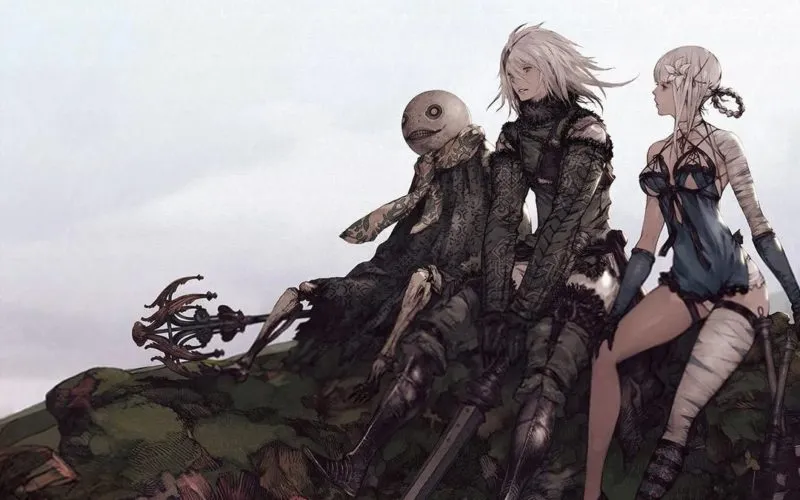
NieR Replicant Ver.1.22474487139
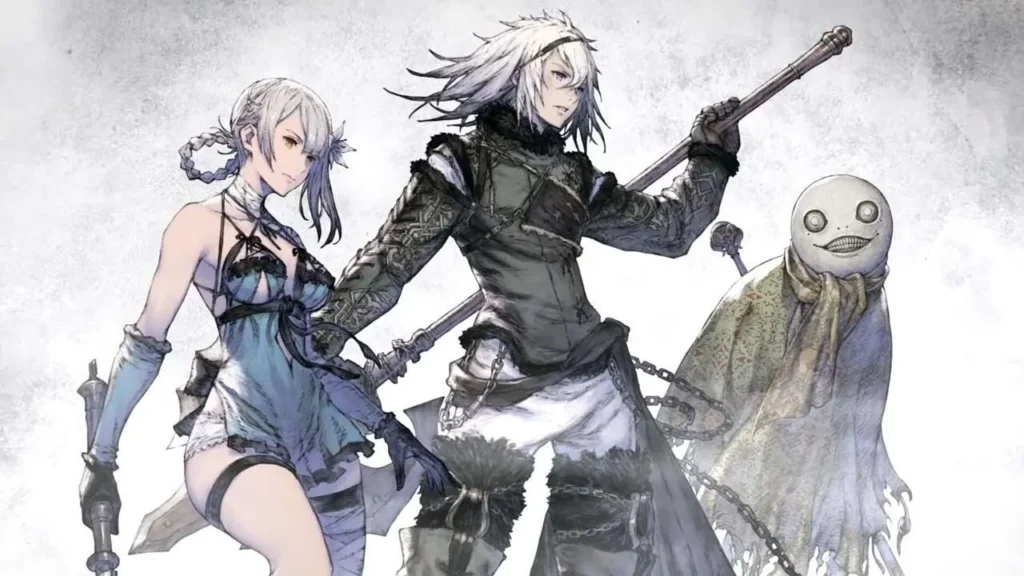
The naming sense might be familiar for those who are used to Yoko Taro’s YoRHa Stage Play series, as he used to differentiate them with version numbers similar to program updates. The number 1.22474487139 is actually the square root of 1.5, as the game is not quite the old version remade, not it is an entirely new game. However, it does have new content that ties the story of replicant with automata, so yeah, Japan.
Replicant is also a concept that is explored in the story, and refers to the soulless artificial bodies that are made by separating a person’s soul from their body, as a Gestalt, and creating the Replicants from the data of a person’s Gestalt. mankind planned to seal away the humans’ souls for an indefinite time until the Replicants, led by androids would defeat the ongoing threat of White Chlorination Syndrome, then the Gestalts would be returned into their Replicants and could live as true humans again.
As for the Nier part itself, Yoko Taro stated in an interview that word “Nier” means “Curse”. Therefore the video game titles could refer to the curse of the automatons or the curse of the Replicants, as they are both creations made by humanity for a certain purpose, and do not have a true identity of their own, hence the infamous existential crisis that afflicts the players after experiencing any game in the Nier series.
13 Sentinels: Aegis Rim
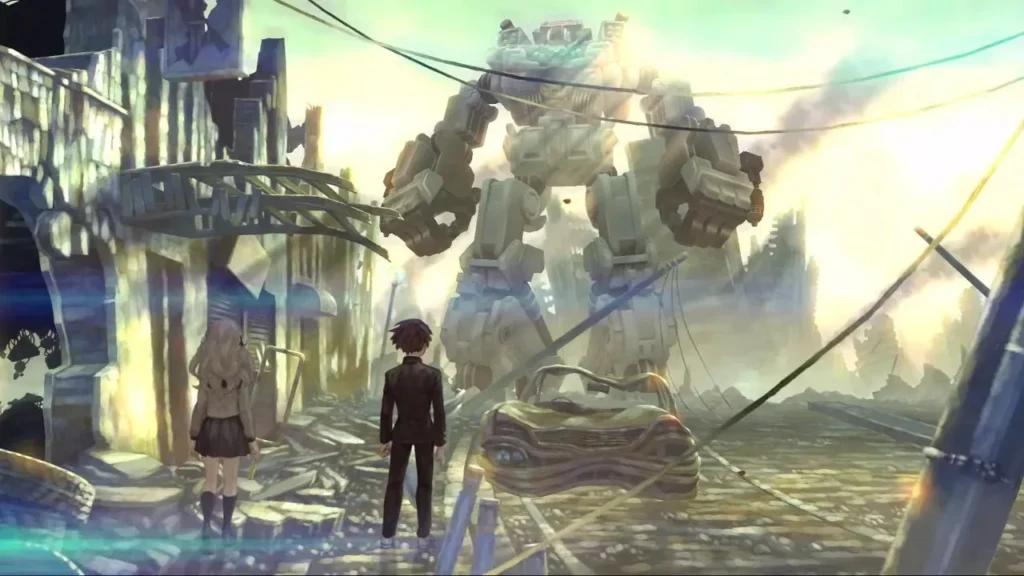
The name doesn’t make any sense, but for me, it’s the name of my 2020 Game of the Year, and it actually gotten ahead of Death Stranding in the Japanese Famitsu rankings as the game with the best narrative. The game is written in Japanese as 十三機兵防衛圏 or 13 Solider Defense zone, both the Japanese and English are significant in understanding your role in the game for different reasons.
The game is a mix between Visual Novel and real time strategy sections, where you have to defend a certain device for a period of time from enemies until it activates the “Aegis Rim” system, and halts all enemy activities, therefore declaring the end and success of each mission. This is achieved through the cooperation of 13 playable characters, riding in giant robots known as Sentinels or Watch Guards. Spoiling the story of this game might be the greatest sin of all time, so I encourage you to delve into it completely blind and see how it is for yourselves.
Ar Tonelico
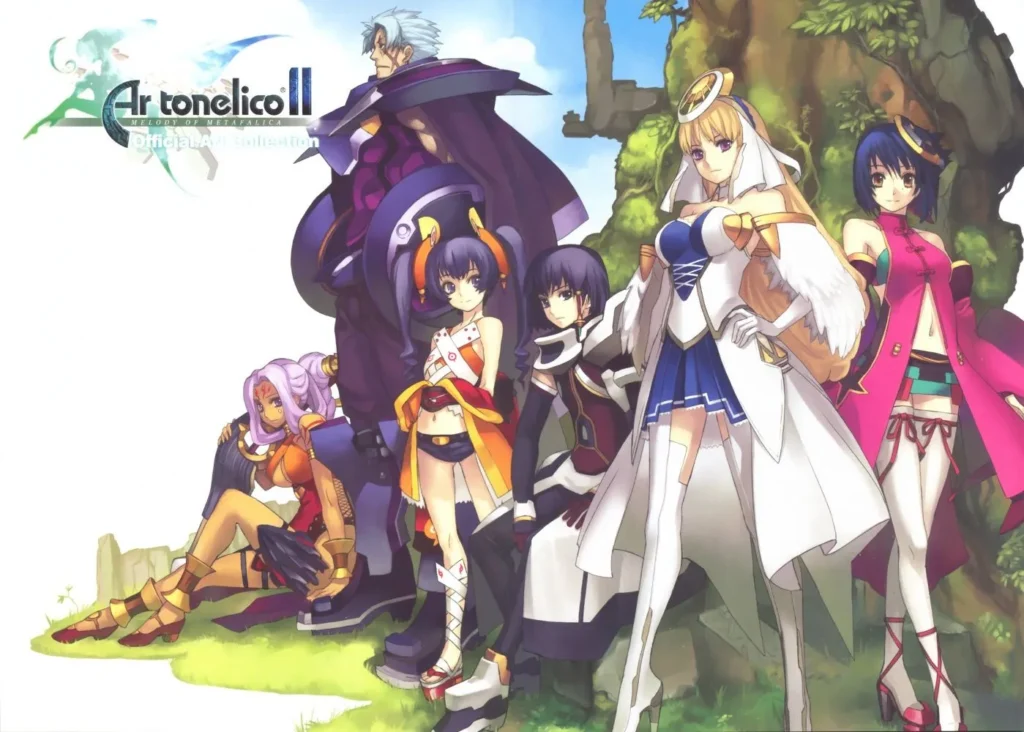
When the developer goes really hard in the mystery craft of video game titles that they create their own language and write the name using it. That is what Ar Tonelico is as series. The name only has meaning in the Hymmnos Language, created by Akira Tsuchiya for the Ar tonelico series. Hymmnos’s vocabulary stems from a variety of sources, including English, Latin, Japanese, Sanskrit and German.
The name of the enormous structures (Towers) that serve as the setting for each individual game in the series. The name is composed by the Hymmnos Language words “Ar” (the only) and “tonelico” (divine tree), which together translate to “The Holy World Tree“, and are enormous structures that were built during the times the land still existed in Ar Ciel. They go from the First to the Third Towers, where people live or relocate through the stories.
Xenogears
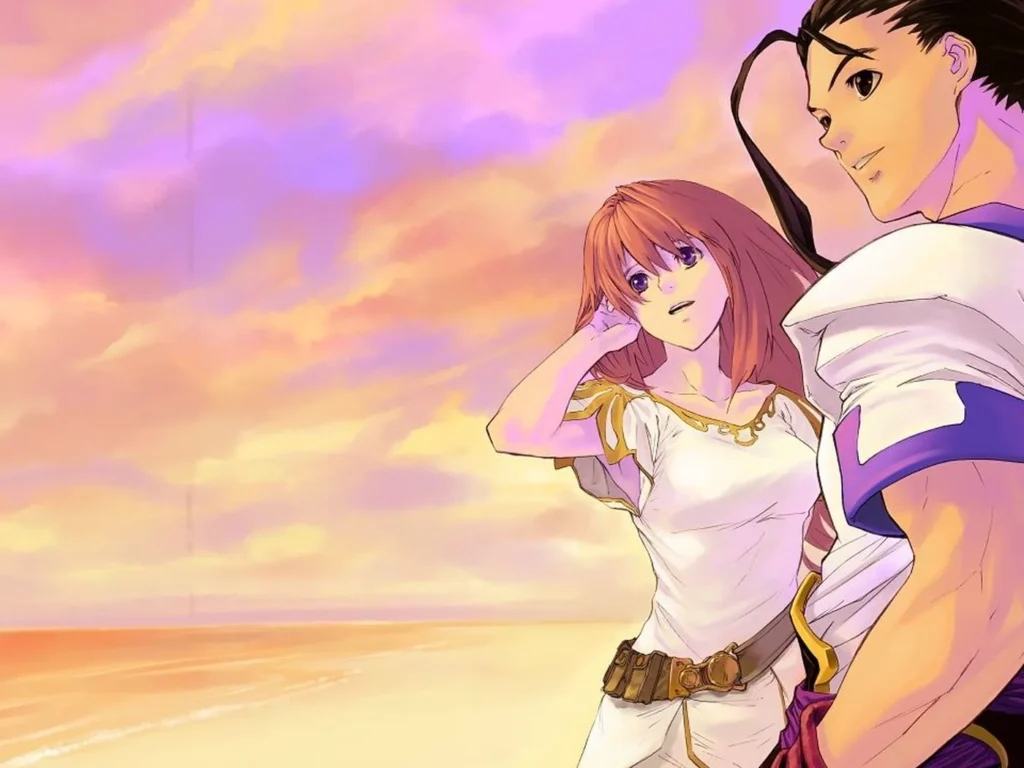
The word “Xeno” was decided by the staff of the game from an early stages, and it carries the same meaning across later entries such as Xenosaga and Xenoblade. It means being “something strange or alien“, while “Gears” was chosen later from multiple suggestions to reflect the game’s use of 3D fighting Mechs, and the journey the characters undertake beyond the earth into space and their contact with forces beyond human imagination.
Xeno does not only imply something “Alien” in a literal scene, but the strange encounter can we with something philosophical or spiritual, and it’s a game about finding about yourself more than others, despite the grand scope of the universe and the timeline. According to her, the story revolved around “where do we come from, what are we, where are we going”, and sometimes, we can discover that we don’t know ourselves at all, despite being our closest friends and long time companions in life.