

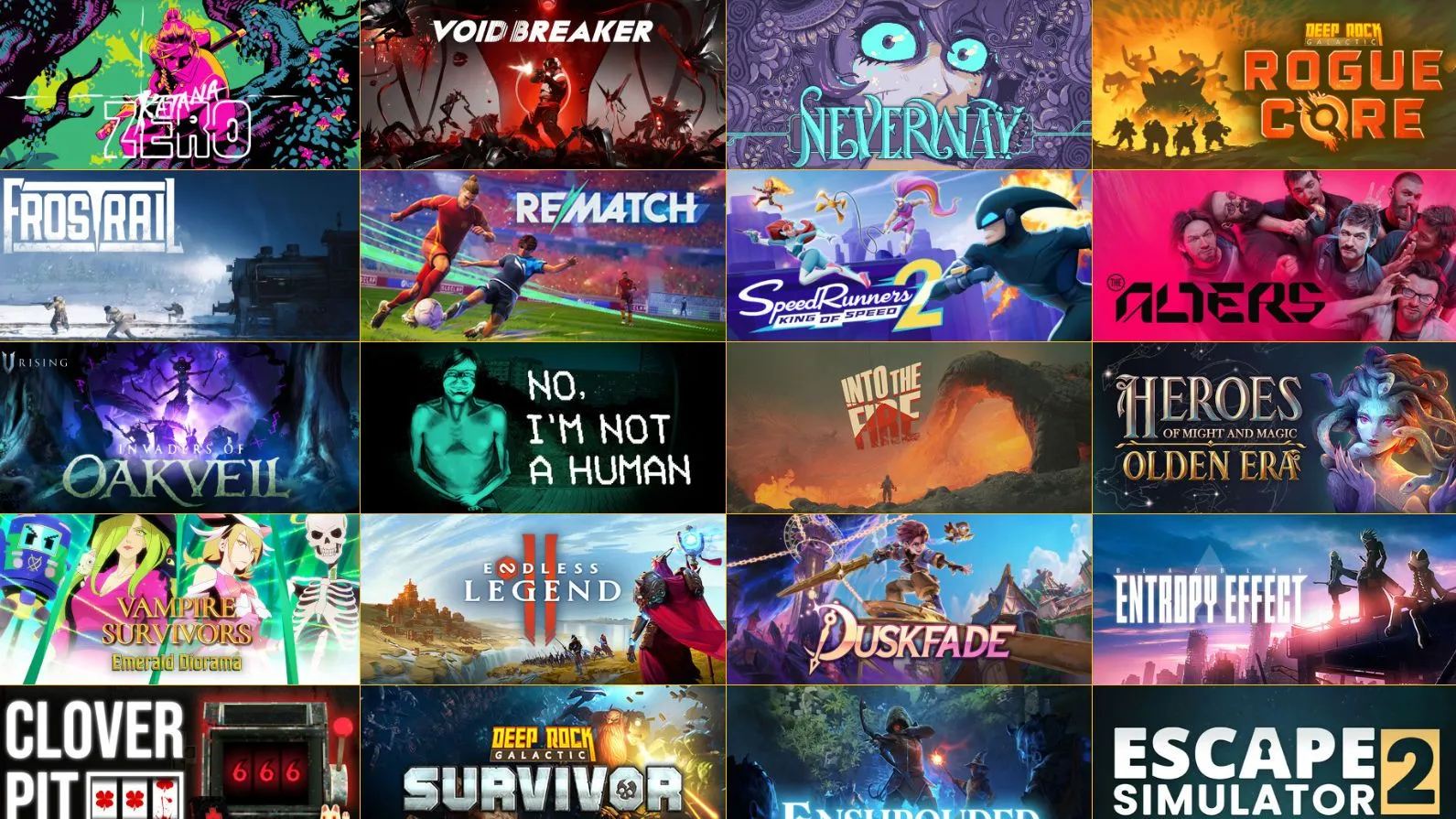
The video game market is changing more rapidly than ever before. What once was synonymous with low-budget 8-bit games, the word “indie” means something entirely different today. It can refer to a masterpiece created by one person, like Stardew Valley, or a former AAA-studio like Obsidian, who gained their independence to launch The Outer Worlds. Game development has become so accessible that almost every day we’re seeing news articles about top talent leaving big developers to start their own studios. There is such a wealth of content in the market from independent developers today that we have entered the Golden Age of Indie. But where there are opportunities, there are also threats.
The New Digital Landscape
Over just a few months in late 2019, we witnessed prominent competitors enter the PC market with the introduction of the Epic store, and numerous other platforms rolling out their version of “Netflix for Games.” With the rise of these new platforms comes greater accessibility and larger reach for developers, but it also creates more channels to manage and increased market saturation. Even on traditional platforms, like Steam, it’s difficult to get noticed. On Steam alone, the number of indie games has increased by 534% in just three years. Of these 13,624 games, the large majority are self-published, and most of them have sold fewer than 500 units. The digital marketplace on PC is starting to look more like a mobile app store, and consoles will soon follow suit.
Due to this, many independent developers who self-published in the past are turning to publishers for their expertise. A good publisher can play a critical role in navigating saturation and can ensure commercial success while allowing developers to stay focused on what matters most: making the best game possible.
Adapt or Die
“Adapt or die” has become the motto for publisher Maximum Games. Founded in 2009 by Christina Seelye after identifying an opportunity in the market that wasn’t being fulfilled by other publishers, Maximum Games has published and distributed over 100 titles. And Maximum Games is not only one of the top 20 video game publishers in the US and UK, but also the only one to have remained private by effectively bootstrapping itself into its position.
In early 2018, executives at Maximum Games noticed another trend in the market that was rich with opportunity: indie publishing. “It became apparent to us that there was a gap in indie publishing,” said Christina Seelye, CEO of Maximum Games and Modus. “There are a variety of great indie publishers, but nearly all of them had fairly limited capabilities. Our unique advantage is that we have the ability to leverage Maximum Games’ massive infrastructure to offer independent developers AAA-level publishing services on a global scale, both digitally and physically. When we launched Modus, there were no other indie publishers who could offer this; leading into 2020 there are still relatively few.”
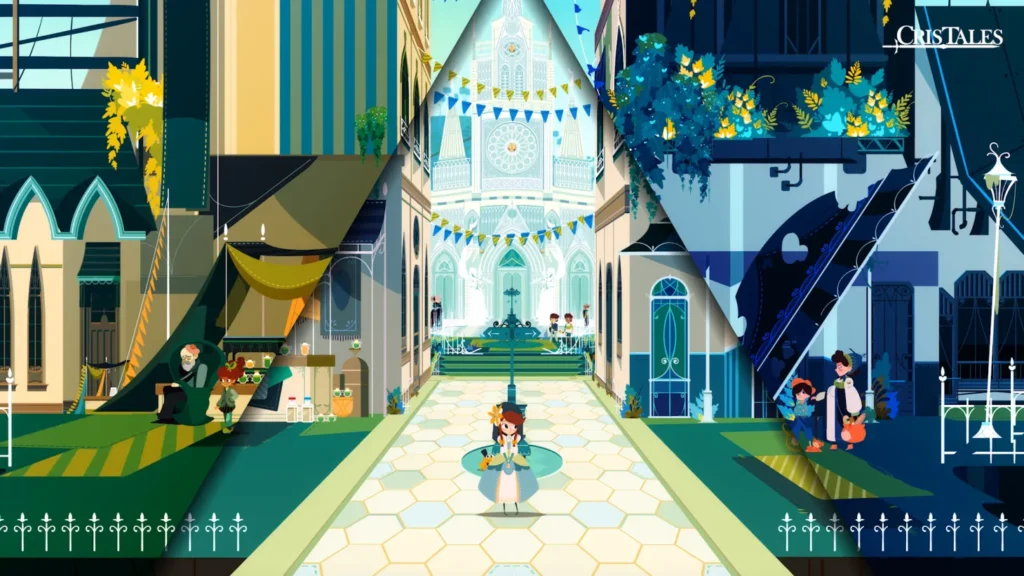
But Modus isn’t just repurposing Maximum Games’ business model. The difference between the two publishing labels: Maximum Games is focused on bridging the gaps between publishing and distribution, while Modus publishes new games from up-and-coming independent studios around the world. Modus’ development partners include Frozenbyte (Trine 4), Dreams Uncorporated (Cris Tales), Stormind (Remothered), The Ace Team (Rock of Ages 3), Sketchbook Games (Lost Words), Pixile (Super Animal Royale), to name a few.
Modus prides itself as the ‘developer’s publisher’, allowing devs retention of creative control and IP, while Modus focuses on strategy and execution to help indie studios navigate the complexities of publishing and marketing across numerous platforms. And because of Maximum’s financial backing, developers are finding that they have a larger runway to create the games they envisioned.
Platform Overload
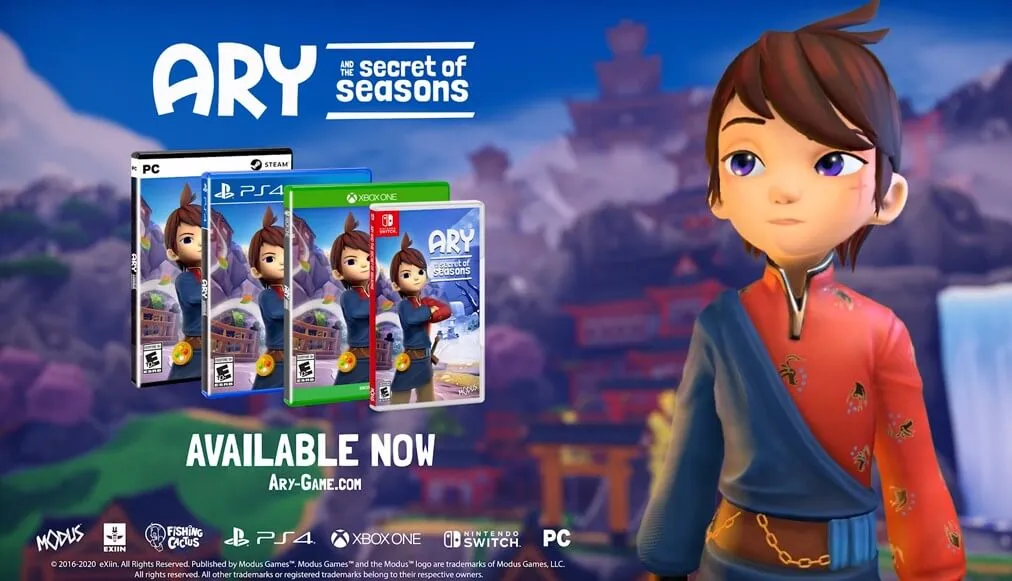
Gone are the days of Steam owning the PC market. Gamers now have access to a wide range of options from publisher-owned stores like Epic, Origin and GOG, streaming from Google Stadia, Blockchain, Asian stores…the list goes on and on. For a developer or publisher to maximize revenue and minimize risk, they need to launch on as many PC platforms as possible. Of course, this means more builds, which require porting expertise and is usually beyond the capabilities of independent studios.
In order to address this shift in the digital landscape, Modus Games acquired The Balance Inc., developers of Override: Mech City Brawl, a game Modus published in 2018. Modus recognized that owning development studios would allow more flexibility to address shifting market demands by providing devs with access to high-quality production and porting resources at a cheaper cost. With this in mind, Modus Studios Brazil was created, rolling out the first of many Modus studios that will create original IPs and provide top-notch support to developers.
Modus Studios Brazil was created in 2019 as a solution to address the rapidly changing indie publishing market. More digital platforms create more opportunities, but also significantly more publishing efforts.
But porting is just the tip of the iceberg. Launching simultaneously on more platforms not only requires more ports: It also means more metadata, more submissions, more partner management, more sales promotions — in other words, the scope of release management and digital sales grows significantly.
At a publisher, release managers are often the first point of contact for first-party when they encounter issues with submissions, QA, ratings, localizations, etc. This is where a publisher can provide a ton of value — internal operations allows them to simultaneously launch across multiple platforms, which significantly increases a game’s awareness, reach, and profitability.
“With this new digital landscape, it’s very hard for an independent developer to see the kind of results they want through self-publishing. Just launching on one or two platforms won’t get you the success you’re looking for,” stresses Seelye. “We see this again and again with our development partners who try to self-publish, only to realize their entry into the market was too limited to break through all the noise. It’s nearly impossible for independent developers to launch on multiple platforms simultaneously because of the risk involved. Publishers also face this risk. Creating Modus Studios has allowed us to address the various production constraints we once faced when launching on more platforms, while maintaining our more traditional publishing infrastructure by providing global marketing, platform management, digital sales promotions, etc.”
Don’t Sell Your Soul
With the recent surge in indie games, more indie publishers are entering the market and even larger publishers are capitalizing on the indie games industry. Epic Games Publishing claims full creative freedom, 100% IP ownership, 100% funding of development, and 50/50 profit sharing. “While this might seem unique, it’s an example of how out of touch Epic is with the indie scene,” says Shane Bierwith. “They aren’t doing anything new, nor are they changing the existing developer/publisher model. What they’re offering is what many indie publishers including Modus Games are already doing. Publishing is no longer a one-size-fits-all model, or at least, it shouldn’t be. Deals with developers are dependent on what will make a critically and commercially successful game, and the terms should reflect that. There are even scenarios where the majority of profit-sharing goes to the developer. But one thing is always consistent: developers keep their IP. Epic’s ‘revolutionary’ publishing service isn’t game-changing, it’s pandering.”
Although the indie landscape has changed, a stigma that publishers are evil still exists. Sure, there are extreme scenarios where publishers have been unethical in their business decisions, but those are few and far between. The reality is the majority of publishers don’t require IP ownership to secure a deal. There may be instances where a developer wants to sell their IP, but that’s a mutual decision. Furthermore, developers don’t need to give up creative control to work with a publisher. At Modus, for example, the publisher provides developers with quantitative, objective feedback gathered through playtests. Their creative suggestions are based on player data with the goal of achieving the best result possible.
AAA Publishing for Independent Developers
Every publisher has a unique set of strengths and presents different opportunities for a developer. Some are specialists in production and release management, while others are experts in marketing and PR. Still others, like Modus, offer 360-degree publishing. It’s helpful for developers to know what they’re looking for so they can canvass the right publishers when they’re ready to make that move.
Examples of what a publisher can provide:
Funding: The most obvious benefit that big publishers can provide is money upfront such as a minimum guarantee. This influx of cash can help increase the scope of a developer’s game and streamline the flow of its creation.
Production: Every development studio has strengths and weaknesses. A good publisher can help fill existing development gaps, whether it’s porting, animation, engineering, design, music, VO, etc. In most cases, the publisher will outsource this work to a development studio which will come at a higher cost, but few publishers have their own development studios, like Modus, which can create significant savings and efficiencies.
Release Management: It’s important developers do their due diligence to understand how many people the publisher has employed to perform release management and what kind of annual load they’re up against. It’s a big blind spot for a lot of publishers and can get messy fast if they have too many games to support with too few staff or too little experience, leading to things like delayed launches and inefficiencies in the production pipeline.
Marketing: Most publishers provide some form of marketing, but it’s often limited. Developers should research whether they only provide PR and community support, or if they run the full gamut of website creation, CMS/CRM, paid media, event management, trailer, art and content creation, and so forth. What is their global marketing reach? (Many publishers only specialize in one or two territories.) How many people do they have on their marketing team (not including contractors or agencies)? What does a normal marketing calendar and report look like?
Sales: Launching a game on any digital platform will require management of its full lifecycle of digital sales and promotions. This includes featuring and merchandising on each platform, management of pre-order listings, ongoing sales promotions, discounts on a seasonal cadence, off-platform marketing like social media advertising and events, and opportunities for trials and demos. Existing relationships with these platform partners are critical, so ensure the publisher has connections.
Physical Retail: A much smaller number of publishers offer the capability to launch physically, whether regionally or globally. The benefits of retail include more potential revenue, larger reach for your game, additional marketing support from retailers, and the ability to create physical collector’s editions (think action figures, artbooks, etc.) to increase sales of your game. Since Modus is a division of Maximum Games, they can distribute physical product worldwide.
Game Evaluations: Product evaluations can offer a massive benefit to a developer’s game, yet only a small number of publishers are able to offer this service. Modus Games has built a system solely dedicated to gathering player feedback through weekly playtests, monthly focus groups, professional evaluations, mock reviews, Discord playtests, and regular milestone evaluations. If a developer is working on a game with multiplayer features or live services, it’s especially important to run community testing with alphas, betas, early access, and so on. A publisher that can handle all of this will allow devs to focus on making games and not managing time-consuming, though vital, processes.