

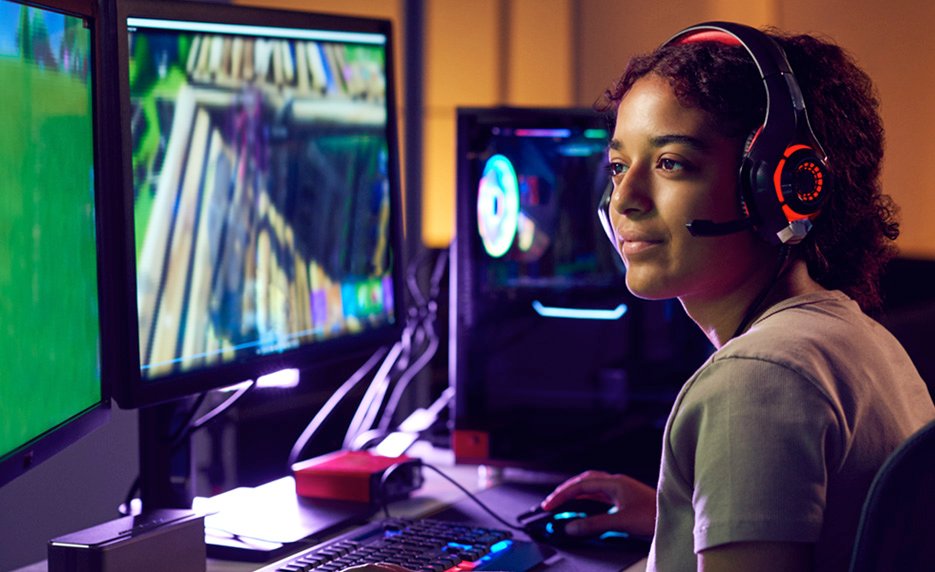
You think your players “just” play your game? No way! You will be surprised by the benefits you can get out of them, especially in the early development stages.
Ever run into a wall while developing your game? We’ve all been there, but thankfully there’s a quick fix for it all: asking your community. Believe it or not they can give you ideas to push your game onto the next level. Follow these three steps to get the most out of your community.
But first things first:
What is a Community?
A lot of people think that a community is a platform where users get in touch with each other; like social media (Facebook, Twitter…etc.) or a forum. But actually, the crowd of people itself is the community, not bound to any platform. So when we talk about a community, it’s not about your Facebook page or your forums or your twitter channel. It’s about the people who get in touch with you and your game. The people who talk about you and your game- besides just playing it.
1: Feedback, Please!
As most of you know, you are not developing a game for yourself. When you want to develop a game, you think about a target audience you want to address. The requirements and the expectations for a great gaming experience from your community can differ a lot from what you think is relevant. This is why feedback from the community is very important. Think about organizing closed or open beta periods, or inviting people from your community to your studio and let them play your game in a kind of UX test.
These feedback periods give great insights in what the player thinks is important and shows you where you can optimize your gameplay. This can be general feedback as well as ideas and bug reports. In addition, it shows gamers that you include your community in the development process; which is always appreciated. As if that wasn’t enough, you won’t have to worry about budget or costs, since most of the players I ever met would do this for free!
2: Spread the Word!
Community Management is a kind of “marketing”. While paying for marketing ads or promotions increases your engagement there are other ways to do it, and this is where community management helps. Giving your community content gives them a reason to share your game, news or posts. Content lets you keep your community up to date about your development process and everything related to it. You don’t even have to share internal information. Screenshots, “behind the scenes”-stories or additional game info is fine. You can even be creative! When people talk about your game or your progress and engage with you, there is a high chance that others will hear that and check your website or social media channels, too.
Community management is not a one-way-door. Besides giving content to your community, you should answer questions and get involved in discussions about your game. It can give you great insights and can strengthen your community even more. Dialogue generates more noise on the World Wide Web, which lets new people find their way onto your platform and (possibly)become a part of your community.
3: Connecting and Binding Themselves!
In a multiplayer title, members of your community will most likely get in touch with each other and become gaming partners or friends. By offering spaces where your community can interact with each other, social ties will grow between them and will make your players more comfortable. Think of these spaces as ingame chats, messaging systems, forums, social media pages…etc. When you have friends in a game, for example in guilds, it is less likely that you will leave the game. This benefits your community with little work from your part, all you have to do is give them the right framework for it.
I Don’t Have a Community
I know that it is especially hard for indie developers to find someone who is interested in your game. But your community is not necessarily limited to your target group, players or fans. Sometimes friends or other indie game developers can form the basis of your community.
In some cities, indie game developers are organizing meetings and workshops for the indie game developer community itself. Online communities for indie game developers also exist, for example Indie Arena for Germany, Austria and Switzerland. Join the communities there, start networking and present your project.
These are “just” 3 things your community can do for you. This won’t work without input from you though, but investing time in your community will lead to great results you can use for developing your game.